Sunday, June 18, 2006

Garden Flora and Fauna

Little critters...


After the rains flowers are blooming all over the farm...

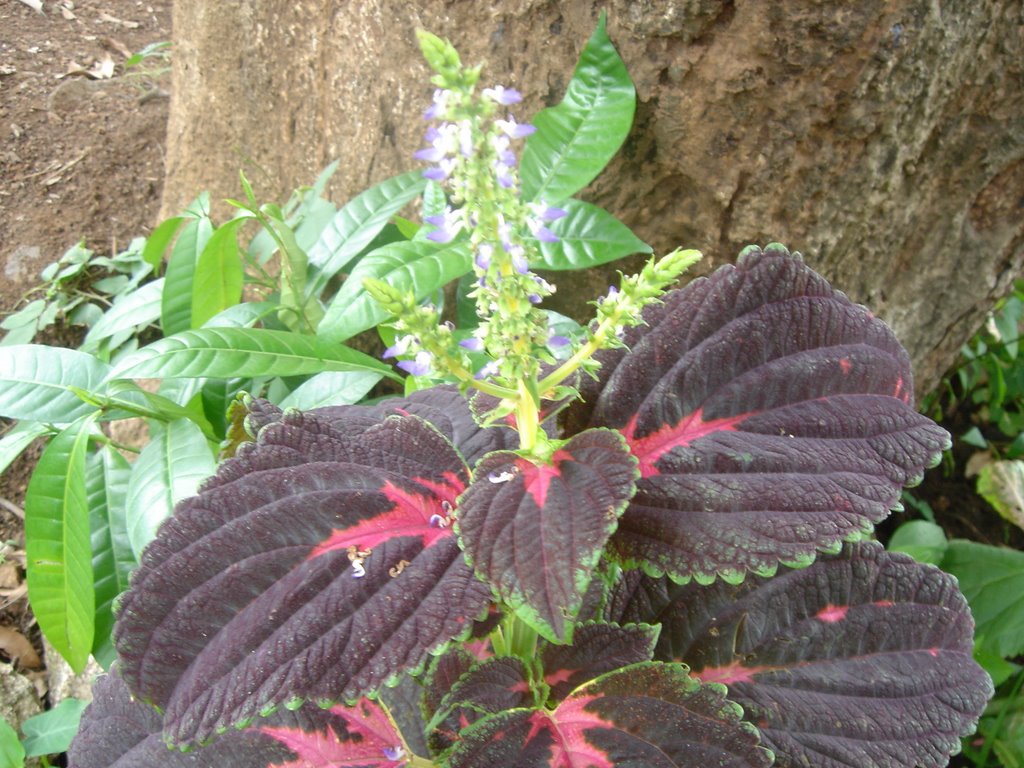
coleus

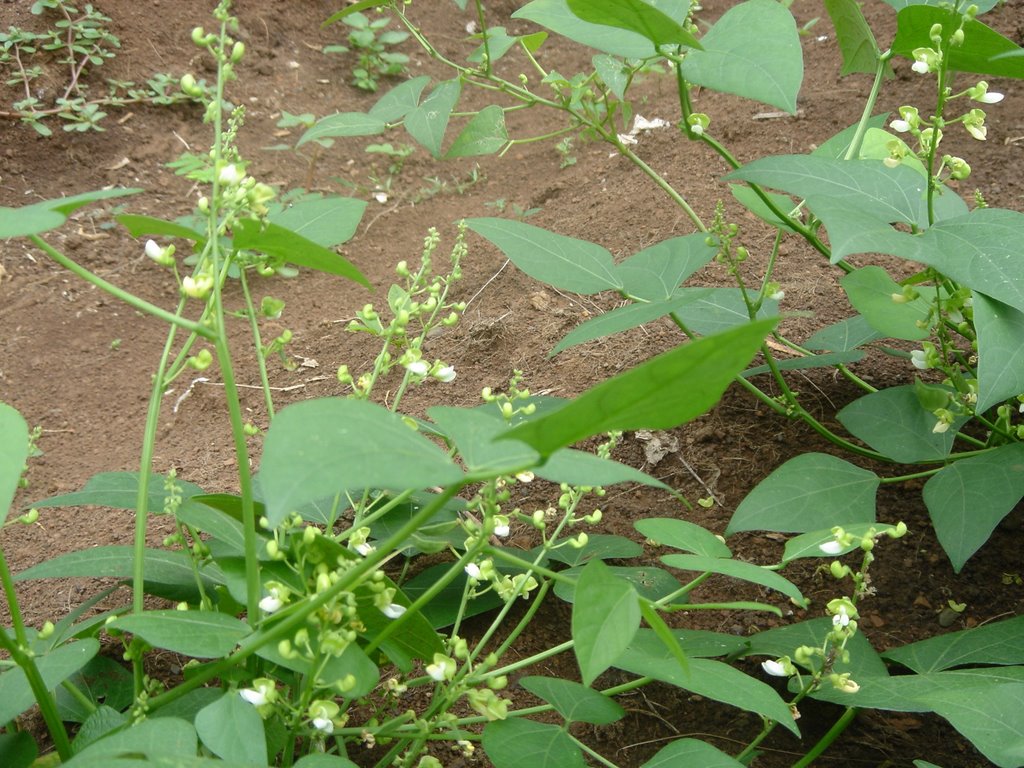
lima beans

this flowering vine was growing on the rocks and is less than 1 cm

African marigold (edible)

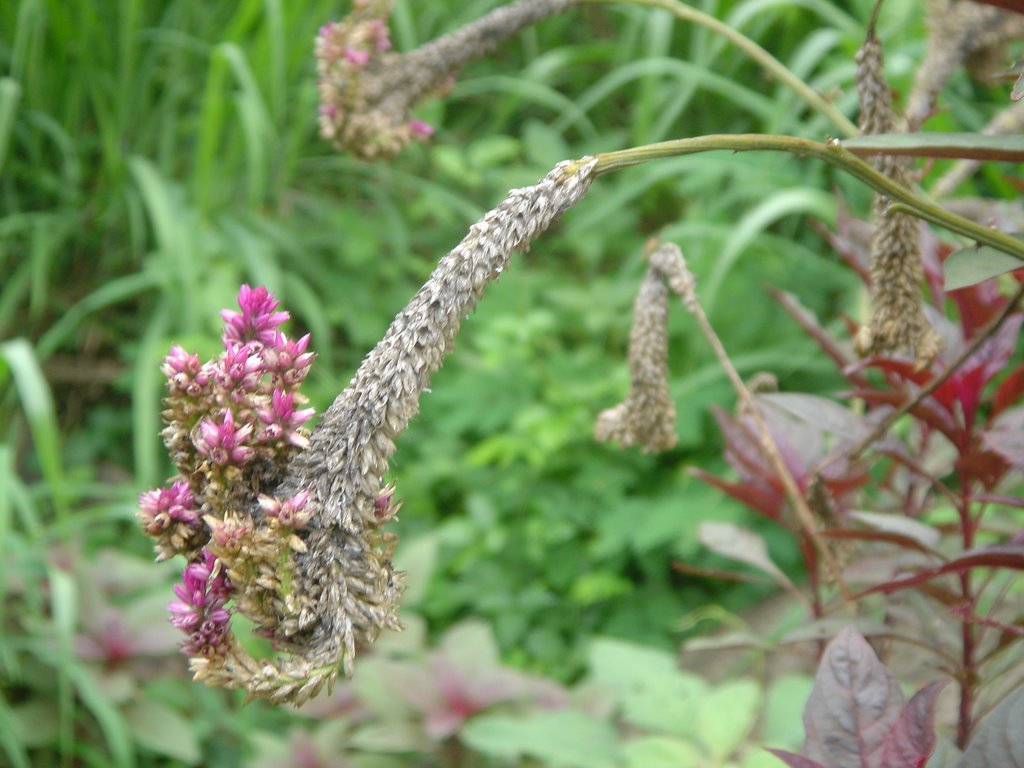
red amaranth


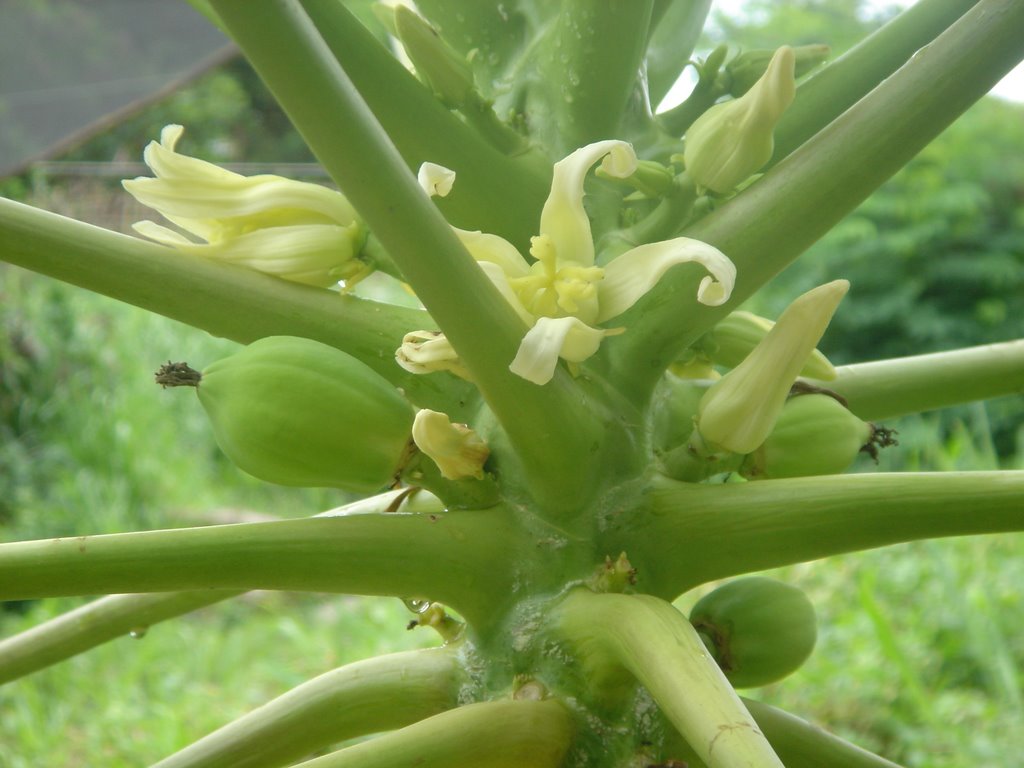
papaya

Friday, June 16, 2006

Recipe: Portugese Kale and Chorizo Soup


A very simple and satisfying soup to make.

2 medium potatoes, diced
1 chorizo, sliced in 1/4-inch thick rounds and halved
4-6 leaves giant kale, cut in 1-2 inch squares
3 cloves of garlic, sliced
1 vegetable bouillon cube

Cook chorizo in a hot pan until lightly browned. Add potatoes and stir to coat with the fat that has come out of the chorizo. Pour about 4 cups of water and bring to a boil. Lower heat and simmer until potatoes are done. Add the kale and boulion cube, continue to simmer for a minute or two.

Thursday, June 15, 2006

Probiotics

The world of natural medicine never fails to amaze me. What amazes me most is that many of these remedies have been around for centuries and they work extremely well without any side-effects. So why aren’t they more popular? Instead we turn to what is now conventional medicine which, in my experience, is not as effective.


My number one cure-all natural medicine that I endorse to anyone that will listen is Bee Propolis, a probiotic syrup. Probiotics, “…refers to foods or supplements containing live beneficial microbes, primarily bacterial strains, that are used to fortify or rebuild our natural gut flora.” I discovered the probiotic supplement Bee Propolis at the Ilog Maria shop in Tagaytay. And am I ever grateful! I take it whenever I feel like I’m coming down with something and when I’ve actually come down with something. But taking it at the onset of a cold or flu is nipping it in the bud. When I’m already sick with a cold I take it every two hours for a day (3-5 days for a flu, much harder to cure if its full blown though) and I’m as good as new.

You don’t have to wait to be sick to take probiotic products or foods. Taking probiotic foods or supplements keeps the intestinal flora healthy which is necessary in keeping or rebuilding a strong immune system and aiding in the digestion process. Fermented foods such as saerkraut, miso, yogurt and soy sauce have these beneficial bacteria.

Another important factor in keeping healthy flora is our diet. Foods rich in fiber feed beneficial bacteria. Intrestingly, the “bad” bacteria feed on simple sugars. We've all heard it before - eat your veggies! Beans and fruits are also rich in fiber.

Try out this recipe for Pithale, an Indian curry dip made with besan (chickpea flour), which is delicious and fiber rich. This is the second time I try out a recipe from blog One Hot Stove. Thanks Nupur!

*100 grams of besan gives you 11 grams of soluble fiber. The average adult needs about 25-30 grams of fiber a day.

Monday, June 12, 2006

DDT

Today in 1972 the EPA banned DDT in the USA (oh my, thats a lot of acronyms!). DDT was used as an agricultural pesticide after the second World War. Although its been banned,DDT residue is still found in some foods grown in the U.S. in 2002. It is still used by other countries, especially in the third world.

Rachel Carson's book "Silent Spring" tells of the dangers of the pesticide DDT and was ultimately responsible for its banning and consequently began environmental movement. DDT was also used as an insecticide against the malaria carrying mosquito. I found this secondary school online module that explains DDT's chemistry and its effects and this fact sheet and evaluation from a University.

Having taken courses in Environmental Studies I know a little about the DDT issue. Carson's book was required reading and it was also taken up in chemistry and ecology classes. But for arguments sake lets take a look at this article and this one which are for the use of DDT.

Definitely, biologists are against DDT because of its impact on bird populations and the resulting chain effect on other species populations. But according to the articles DDT may be applied to the environment in a way that is safe and responsible. The articles fails to tell us how. Mostly, it attacks the suggestion that DDT is a carcinogen and fails to address the issue of environmental damage. I'm inclined to stay on Carson's side, who is herself a chemist, because she explains, in a way anyone can understand, exactly how DDT affects the environment and ultimately us humans.

This document written by Dr. Romeo Quijano, founding Director of PAN (Pesticide Action Network) Philippines, clarifies the issues regarding the use of DDT which has been banned in the Philippines since 1994. He tells us first hand of the dangers to health and his skepticism regarding those touting its use. (Read about Dr. Quijano's plite with the government in 2003).

The good news is that scientists have discovered that waters polluted with DDT can be controlled by the unlikely seeweed which somehow absorbs DDT much like it does other toxins.

Fruits of the Farm


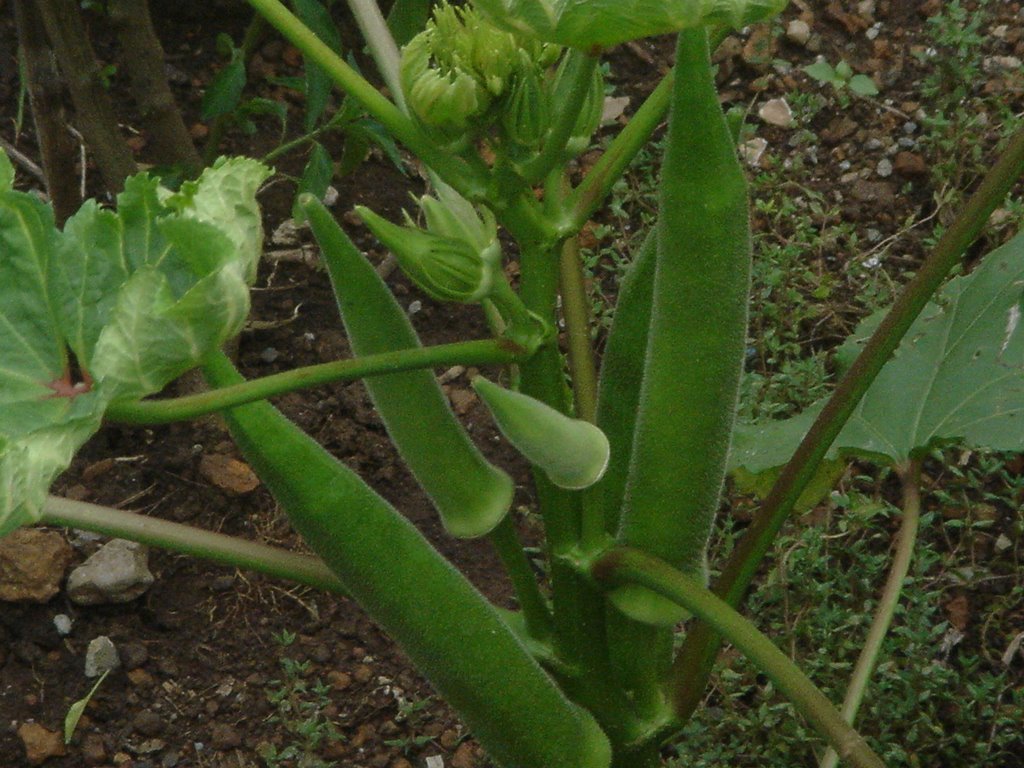
This pretty flower is from my okra plant. I won't be eating this batch of okra, they're being grown for collecting the seed which I will plant the next time around.

Sunday, June 11, 2006

The Spice Is Right 3: The Perfumed Garden: Rosewater

The day I read about the theme for this month’s The Spice Is Right I had drank a Singaporean beverage made with shaved ice, condensed milk and rosewater. I remember thinking that there has to be a better way to use rosewater syrup. The drink was sickeningly sweet but I could taste the floral essence of the rosewater and I wanted to try using it in another dish. Then here comes the announcement for the new theme of the The Spice Is Right and I new it was in the stars…


Fereni Starch Pudding

This is an adaptation of a recipe I found online and the author says that this may be eaten during Ramadan, a Muslim fast that lasts a month. It is eaten before the main meal of the night to "break the fast". Could this be where the English word and ritual "breakfast" comes from?

I found this lovely white pudding to stiff and would recommend using half the amount of cornstarch called for in the recipe. Otherwise I liked it and will make it again. The bites of cardamom seeds is the perfect addition to the subtle flavors of this dish. I used the clear colored rosewater in this recipe, which is probably why I could use the amount I did. If using the red colored rosewater syrup, adjust the amount keeping in mind that it is much sweeter than the colorless syrup.

2/3 cup cornstarch
2 cups carabao’s milk (or organic cow's milk)
6 whole green cardamom pods, slightly crushed to open the pods
1/2 cup ground almonds
½ cup rosewater or to taste
1/4 cup blanched slivered almonds (I used sliced almonds)
1/4 cup raw honey

Dissolve corn starch in 1 cup of cold milk. Bring remaining milk to boil with cardamom and ground almonds. Then add corn starch mixture and stir continuously with a whisk. Remove from heat when it starts to thicken and add honey and rosewater. Remove cardamom seeds from the mixture. Squeeze out the black seeds from the cardamom pods and mix seeds into pudding. Pour (I spooned mine into a bowl) it into serving dishes. Garnish with slivered almonds and serve warm or cold.

Thursday, June 08, 2006

Mastering the Art of French Cuisine


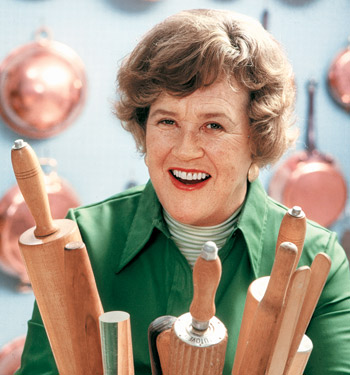
I watched an episode of Martha Stewart's Living last night and one of her guests was Julie Powell author of Julie & Julia. Julie's book chronicles her experiences while cooking every recipe in Louisette Berthole, Simone Beck and Julia Child's classic book Mastering the Art of French Cuisine. Quite a feat and written with humor and wit. Her project was actually first chronicled on her food blog The Julie/Julia Project which she started in August 2002. On the show she cooked a mouthwatering Beef Bourginogne that made me want to go straight to the grocery for ingredients. Only I couldn't because it was late at night. Why can't we have a 24-hour grocery??

Julia Child brought the art of cooking and eating to the American household. Her enthusiasm and dedication to good food has made her an American icon and she is known to every cook worth his salt. On the show, Martha revealed that she too had cooked every recipe on the book and that is how she learned to cook well. I would think anyone who wants to learn how to be a chef would learn by doing what Julie and Martha did in place of going to culinary school.

I own a 1964 edition of Mastering the Art of French Cuisine which belonged to my great-grandmother whom I was named after. My great-grandmother is a cooking legend in my clan and this book was one of two books that she owned (the other was The Joy of Cooking). In her memory and for the benefit of anyone in her family who want to recreate the food, cakes, pastries and preserves she served in her summer house in Baguio or her home in San Rafael, Manila my Aunt recopied all her personal recipes and distributed them to all the family members. The only problem is that most of the recipes have no measurements. She died after her third great-grandchild was born. Me being her first great-grandchild. My favorites were esaymadas, guava paste, strawberry jam, mango jam and food for the gods. I remember summers in Bagiuo when I was very young and she would be doing cross-stich in her living room and I would sneak into the pantry and finish all the guava paste. Her ensaymadas would melt in your mouth. When I tried to make it years later, I realized why it was so delicate and melty, it had tons of butter incorporated with flour, much like a puff pastry except it was moist, cheesy and light at the same time. Incredible!


In memory of these two great women whose culinary skills have had a profound influence on me and to Julie who is destined for cooking greatness I will cook the book's recipe for Fish Quenelles in Normandy Sauce Gratinee. Now, I'm off to the grocery.


Julia Child's kitchen, the wall used to hang her pots and pans was built for her by her husband 40 years ago. Go here to see more of her kitchen which is on display at the Smithsonian.

Friday, May 26, 2006

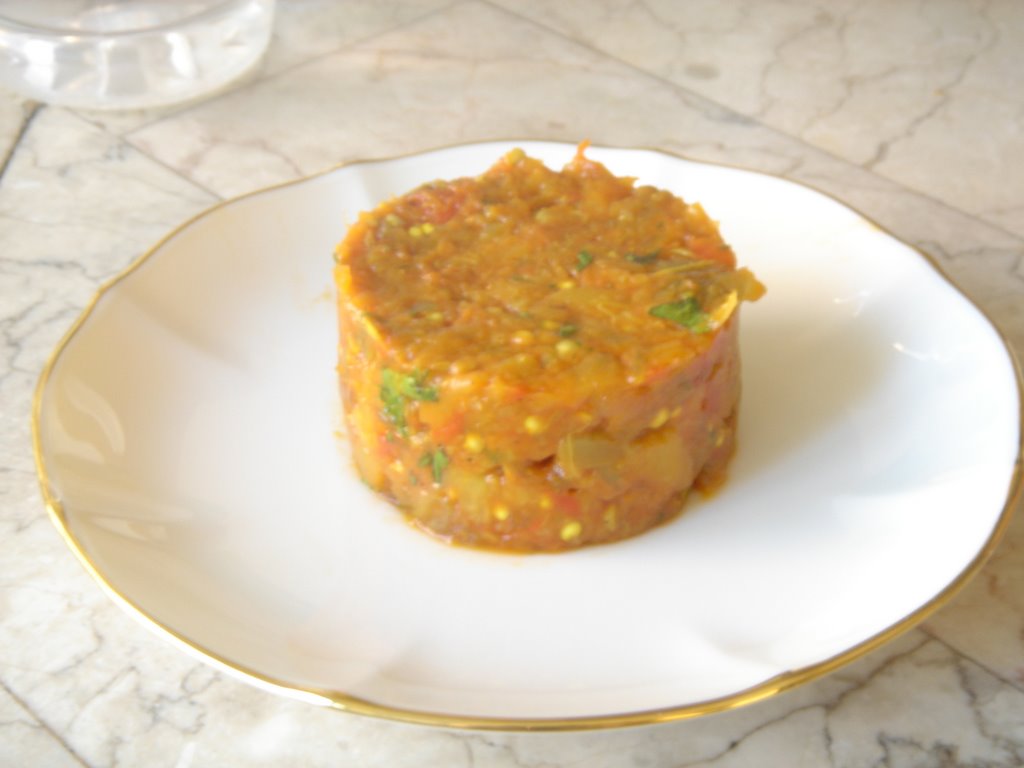
Recipe: Baingan ka Bharta (Indian Roasted Eggplant Spread)

Ok ok don’t panic. I have eggplants piling up in my kitchen and I don’t want any going to waste.

Here’s an adaptation of a recipe from a fellow blogger I’ve been meaning to try. I would serve this the day after it is made to allow the flavors to develop.
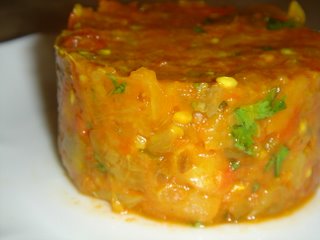


Baingan ka Bharta

3 large eggplant or 6 medium eggplant or 1 dozen small Japanese eggplant
3 onion, finely chopped
1 can plum tomatoes, chopped
3-inch chunk of ginger, finely chopped
1 tsp red chili paste
3/4 tsp turmeric powder
3/4 tsp garam masala
3 tsp cumin seeds
salt, to taste
2 tbsp olive oil
fresh chopped coriander leaves, for garnish


1. Make tiny slits all around the eggplant and roast in a 400 degree oven for 30-35 minutes, till eggplant gets a charred coating on all sides.
2. Remove the charred skin and chop eggplant meat. Place in a strainer over a bowl to allow liquid to drain. Set aside.
3. Heat oil in a pan and saute cumin seeds and ginger until they begin to sizzle.
4. Add in onions and fry till brown. Season with some salt, red chili paste and turmeric and fry spices till fragrant.
5. Add tomatoes and cook until reduced, about 10-15 minutes.
6. Add mashed drained eggplant and garam masala. Cook for another 10-15 minutes, stirring constantly to blend in well.
7. Garnish with coriander leaves. Serve with naan or pita bread.

Saturday, May 20, 2006

Organic Farming Solutions

I learned a lot today about organic farming from Mrs. Rosalina Tan who is one of the founders of OPTA and from Ed Samaniego who gave a seminar on Biointensive Organic Farming. I had five problems dealing with my vegetable plants and each one was answered today.

1. Some of my plant's leaves are turning yellow -- this is a sign of nitrogen deficiency.


2. My squash and melons die after growing healthily for 2-3 weeks after being transplanted -- might be a fungal infection due to overwatering.


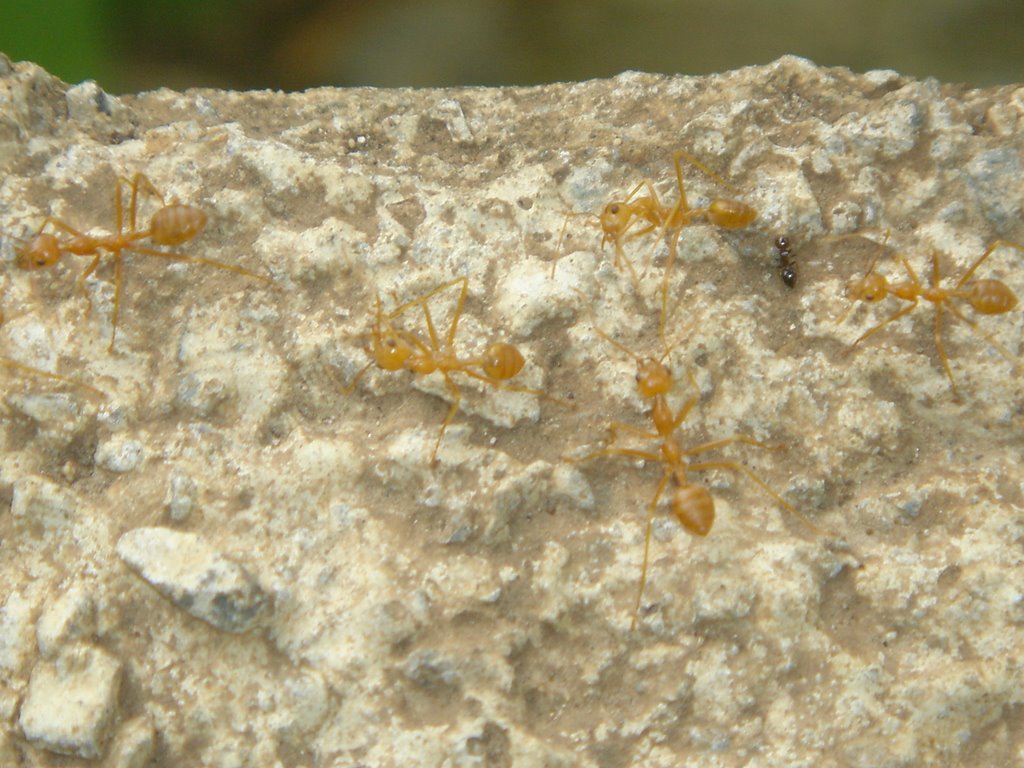
3. I have an infestation of some powdery white substance underneath the leaves of some plants -- these are aphids which can be terminated with a product OPTA was selling called Bioneem, a natural insecticide made of neem extract, lemongrass, citronella and atis extract. The citronella in this mixture makes this product dangerous to all insects on the farm which includes beneficial ones. This product should only be sprayed on the affected plants.


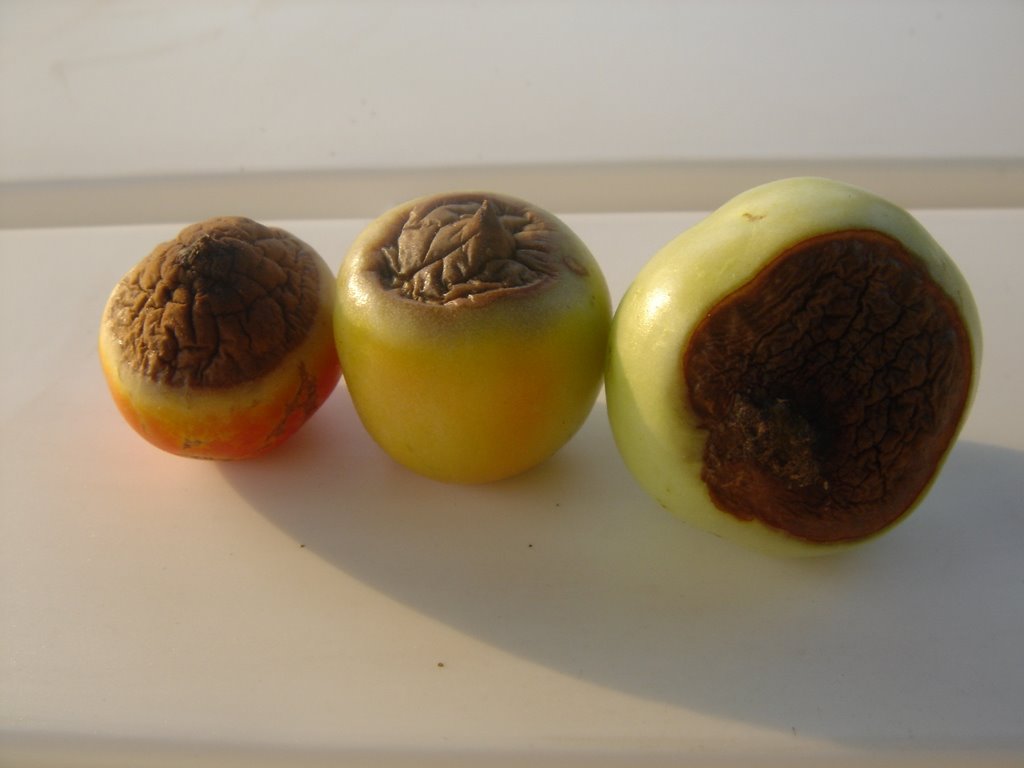
4. Some of my tomatoes turned brown at the bottom -- calcium deficiency: add egg shells or dolomite to soil. I read a bit on dolomite as a supplement to calcium deficient soil and found out that it is not recommended in organic farming. A good source of calcium used by organic farmers is gypsum (calcium sulfate), mined limestone, legume green manure, rock (tricalcium) phosphate, wood ash, clam & oyster shells. Calcium apparently solves many organic farming problems such as resistance to disease and poor crop yield.
5. What to mix with coco coir as a mix for fertilizing soil -- vermiculture or chicken manure.

Will apply these solutions and see what happens. I had a long and pleasant conversation with Mrs. Tan who is quite dedicated in advocating organic agriculture. I'm glad to have met such an admirable woman. Cheers to you Mrs. Tan! Check this site for information on OPTA's history and mission.

Sunday, May 14, 2006

Endocrine Disruptors

Here is an article that shows how the insane amount of man-made chemicals in our environment directly affects our health. Unfortunately none of our human senses can detect the presence of these chemicals that surround us and have become part of the air we breathe and the food we eat. We feel the adverse symptoms from unconsiously injesting this chemical cocktail of endocrine disruptors. The symptoms of which is a hormonal imbalance for women in their 20's and 30's. I myself was diagnosed with a hormonal inbalance which my doctor wanted to treat with injections of hormones. Aside from the fact that I am terrified of injections I also didn't like the side-effects she enumerated. I looked for a gentler and natural way of treating it so instead I took Evening Primrose Oil which helped tremendously. I then went on a fast called the Master Cleanse by Stanley Burroughs and my hormonal imbalance was cured.